|
Author’s Note: When I inherited the Ch’an Dao Hakka Gongfu Style in 1994, I was 27-years old. Everything prior to that date must now be viewed as nothing but “preparation”. All my myriad of experiences – good, bad, or indifferent – served as streams flowing into the large river and sea of life. Hereford was a vast cauldron of transformation - and this is where I lived and trained between 1984-1989. Master Chan Tin Sang had fought in the New Territories during WWII (1941-1945) – and is known to have killed Imperial Japanese soldiers using our Hakka family gongfu style. Below, I explain the situation and transformation of the Hakka Chinese community as it existed in Sutton in 1994. Many Chinese children attended “Mintak” a Chinese-language Saturday School held at a local State school. Meanwhile, I taught a remedial class for Chinese children who had trouble speaking English. Gongfu teaching, like Chinese dancing for girls, was viewed very much seen as a cultural activity – with non-Chinese lineages ignored as being racist or merely a form of mimicry (as the teachers had not sought “Permission” from the Chinese community to set-up and teach gongfu). This is still the situation today, with many well-established and affluent gongfu schools being viewed as “not Chinese” and therefore not legitimate. Those making money do not care about this contradiction. Indeed, many do not even know that such a judgement has been levelled against them – such is their ignorance. Between 1994-2011 – I participated in around 100 (witnessed) Honour Fights – and won them all. Needless to say, our school was sanctioned by the Chinese community and remains the only legitimate school in the Sutton area – despite hundreds of others. ACW (21.6.2025) A number of readers have asked to learn more about my early teaching of gongfu. I am happy to oblique as such an undertaking will serve as a historical statement as I thunder into older-age and to the inevitable “shuffling-off of this mortal coil” – as Shakespeare once said – and Richard Hunn once quoted to me. I took-over teaching gongfu in 1994 – a year after my teacher – Master Chan Tin Sang (1924-1993) passed away. We taught then in a small hall hidden at the back of Highfield Hall in Carshalton Road, Sutton. The main hall was set-up for high-end dancing and ballet – but a friend of a friend new the Caretaker who said that a smaller hall – which was usually used as a Badminton Court – was much cheaper because it was boiling hot in the Summer and freezing cold in the Winter (it had been a small swimming pool which had been filled-in and covered over). Virtually no one would rent it – so this was perfect for a toughened Hakka-Fist gongfa style. Initially, the Sunday morning classes ran from 10am-12pm (gongfu 10am-11am – Taijiquan 11am – 12pm) – with everyone sitting down for a cup of tea and biscuit for around 45 minutes afterwards. One-year was considered the right amount of time for public mourning (Confucius) of Master Chan Tin Sang – whilst the family carried-on privately mourning for two-more years (three in all). These classes were for ethnic (Hakka) Chinese children (many of whom I taught English to in private education classes held elsewhere in Sutton). We also taught their older siblings (male and female), and their older relatives, such as mothers and fathers, aunts and uncles, etc. This tradition stemmed directly from that as practiced in Banana Village, in the Sai Kung area of the New Territories, Hong Kong. Prior to Highfield Hall, (that is, before 1990), Master Chan taught in the large utility room next to his flat in a Council High-Rise in Sutton – usually late at night or early in the morning when no one else was using the place to wash and dry their clothes. Sometimes, we would practice forms outside on the concreted areas, or head to the nearby local parks. The non-Chinese people in these flats (the vast majority) were excellent human-beings and were always supportive and protective of this small Chinese grouping. There was NEVER any cultural friction and nobody took exception. In return, our heathen group gave out Christmas and Easter cards, respective Devali, and recognised Ramadan and any other important holidays – including the Sikh holidays. Gongfu was viewed as a Chinese religious practice and given that level of respect. We practiced because it was all we culturally knew. We practiced as an expression of Buddhism, Daoism, and Confucianism. We practiced because Hakka history is strewn with pogroms aimed at us – and gongfu was a means to protect the group. We were happy in Sutton and just got on with being alive. Sutton had a different feel in those days, a feel that anyone could achieve anything. I had spent four-years in Hereford during the late 1980s – perfecting my education and following Master Chan’s advice of researching the Chinese-roots of Karate-Do – as he felt (quite rightly) that the West was hiding this reality to boost a fascist Japan over a China that had once been a military ally of the West. He had come to the UK in 1956 at the behest of Enoch Powell and Churchill’s Tory government – to clean toilets and sweep-floors – jobs which he quietly did for ten-years, until he earned enough money to bring his wife and two daughters to the UK in 1966. Yes – my Chinese relatives now live in the UK because they were law-abiding citizens of the British colony of Hong Kong. They had a right to be here – as the British invasion of sovereign Chinese territory immediately inflicted upon them the status of “British Subject”. My Chinese family did not break the law in Hong Kong, never participated in any riots, and believed in law and order – unlike the new batch of Hong Kong criminals that now live amongst us and practice a cult-like Christianity. Of course, whilst benefitting from British Imperialism, my family still had to live under the colonial oppression of British rule. We had no choice. The passports issued to my relatives born in Hong Kong had the description “British Subject – Third-Class”. My Chinese relatives and friends born in the UK had on their passports “British Subject – Second-Class” – whereas White British born inside or outside the British Isles had on their passports “British Subject – First-Class”. This is where the idea of 1st, 2nd, and 3rd class citizens come from within Sociology – although today these distinctions have been withdrawn. In the 1980s, the Thatcher Tory government took away every Chinese person’s British Citizenship born after a certain date – with about half of my family and many friends having to return to Hong Kong following the 1997 hand-back of Hong kong. The inner core of my family survived these “racist” British governmental purges. I took-over the gongfu teaching role in Sutton during 1994, teaching a Chinese-only class on Sunday morning. Although my family has had links with China extending back hundreds of years – I look “White” – and so for people who do not know me, this can be a surreal experience, as I speak Hakka and Cantonese, can read Chinese script, and have been brought up within Chinese culture. It is odd – but perhaps I am something of an Anthropologist – like Captain Blith of the HMS Bounty who he reached the lovely people of Tahiti in 1789. Whatever the situation, when I was teaching one Sunday morning in 1994 in Highfield Hall, an old White man with grey hair and beard came in and sat quietly. I was surprised because this NEVER happened and I did not know what was going on. Anyway, I got talking to him (“Pat”) and he told me how Sutton used to be a Kyokushinkai Karate area – and how he and hundreds of others used to train in this tough style. He suggested opening the class to non-Chinese people – and as this fitted-in with Master Chan’s idea of modernising whilst maintaining the tradition – this is what we decided to do. Of course, it was never about money, which is just as well because we never made a penny.
0 Comments
Dear Adrian Morning Adrian. I hope you enjoy this video, because there’s More to come. Tony Dear Tony Interesting. Liz is related to Master Yin Fu (1840-1909) - her surname is "Yin". He was a renowned gongfu master who combined Longfist with Baguazhang-Baguaquan - and developed a unique stye:
https://www.yinstylebaguazhang.com He was the imperial bodyguard during the latter years of the Qing Dynasty. During the Uprising, Buddhist Master Xu Yun (1840-1959) was wandering around the streets of Beijing chanting Buddhist prayers of peace - ignoring all the fighting. He walked between the Western troops, the Boxers, and the Imperial Army - and no one would touched him. The Empress Dowager ordered her bodyguard - Yin Fu (尹福) - to travel into the war-zone, locate Master Xu Yun and bring him back to the Forbidden City. Unbelievably, Yin Fu carried-out this mission perfectly - extracting Xu Yun to safety. Yin Fu then led the imperial family to safety in the West of China. Yin Fu perfected plunging his fingers through the rib-cage of his opponents and pulling-out their organs. I met Master John Davies once or twice in Regents Park - where he used to teach Yin Bagua. Liz was training with him and I was a guest. John Davies had lived in Beijing for 30-years as a Merchant Banker and was the first Westerner to be taught Yin Bagua - and inherit the lineage. He lived near Sutton but was very old by the time I met him. He taught Liz due to her surname. Thanks Adrian Email: Remembering Rose Lee - Who Showed How "Honesty" Is the Best Way to the Internal! (11.6.2025)6/11/2025 Dear O
When Rose Lee retired from full-time teaching in the 1990s - she sent one of her long-term Taijiquan students (James) to me. He had trained with KF and this is what he said: 'I paid £200 in advance for what I thought was a private session. When I turned-up at the address - it turned-out to be lecture hall - with 50 other people present. KF came out on time and explained he was "too busy" to stay the full hour and that he had filmed the lesson on a 15-min VHS tape. He said we could watch the video "once" - and discuss its content for 45-mins before leaving to make way for the next class. A copy of the tape was £50 for one - £80 for two - and so.' He then walked out the lecture hall whilst two of his full-time students "monitored" the group. I believe this was the late 1990s-early 2000s. James did not exclusively train with me and did not learn the gongfu - the deal seemed to be Taijiquan only - and I allowed it due to my respect for Rose Lee. As for DY - I can only say what others told one of my Chinese students. They said his Longfist did not match the lineages he claimed to represent - with others questioning how it was that he had managed to master so many styles - usually a correlation equalling the number of books he has for sale at anyone time. Now, I do not really know - and you must think for yourself - which I am sure you already do. On a lighter note, I was told about year or so ago - that my style was mentioned on a racist US martial arts site that sets itself up as an arbiter of Asian combat culture. Apparently, this is a single entry from 2011 of all dates! I had honour fights from 1994 to around 2008 - about 100 in all (no pads - no rules) in front of witnesses - and prevailed through them all as tradition demands - but there were some unhappy bunnies (we think one of these made the post in question). From 1994-1998 these fights almost always involved disgruntled ethnic Chinese people looking to finish me off in front of my Chinese family and saving the face of the Chinese community. Imagine that! I used to get these out the way a few minutes to 10am on each Sunday morning so that the classes proper could start. Occasionally, these fights might happen at 11am - as the gongfu section came to an end - with the next hour being strictly internal. These fights were malicious as the opponents were motivated with anger and hatred of an ancient culture - which I respect. As a Buddhist by birth - I like fighting (but dislike greed, hatred and delusion) and I partake with an attitude rather similar to my Muslim brothers. I have always had a good relationship with the Islamic community and was even honoured with teaching a group of their children in Sutton. I think that although we inhabit a material world - the channel to the internal can only happen through a spiritual method. Honesty seems to be the deciding factor. The funny thing is that component movements of the Islamic martial art of 'Chaquan' looks identical to our 'Hakka' Longfist Style - even down to the applications - but Longfist is generic and certainly not rare! It comprises hundreds (or thousands) of Northern Styles and is common-place (it has even penetrated a number of Southern Styles). We all approach these movements from our different lineage perspectives - but all traditions use the 'external', 'Internal' and 'Integrated' aspects of ancient Chinese science. My research suggests that the Qin Dynasty (221-206 BCE) instigated a country-wide martial culture - probably through a specially constructed manual comprised of illustrations and basic directions. As the Qin Emperor expanded the model of the Qin State (originally situated in Northwest China) across the whole of the conquered territories of what is today considered 'China' (which excluded at the time the swamp-infested area of what is now Fujian province) - this 'unity' of culture spread over a massive geographical area and converted every village into a military barracks - and ordered that every local man, women and child became a 'soldier' serving the Qin State whilst having to train in a standardised martial art (both 'armed' and 'unarmed'). This makes Longfist over two-thousand years old - and pre-existing the arrival of Muslims in China by about 1,200 years! The Arab merchants constructed their Chaquan version of Longfist from what they saw around them in the areas of China they had settled within (possibly acquired from the families of the Chinese women they married). Of course, this specialised Longfist was then taught to non-Muslim Chinese people (for various reasons) over-time - so that today Chaquan is practiced by millions of ethnic Han people - as well as Hui Chinese-Muslims. Hakka gongfu is typically 'Confucian' with Buddhist and Daoist overtones. There are theories, however, that suggest the 'Qin' and 'Han' Dynasties may have been 'Hakka' - that is founded by displaced peoples who originally lived on the edges of geographical Northern China (before migrating Southward) and which had developed cultures that mixed 'Han' and 'non-Han' (Barbarian) cultural elements together. This history is disputed, but certainly DNA studies have linked (modern) Hakka women living within South China with (Evenk) women living today in Siberia. Certainly, our Spear Forms were originally practiced (in-part) whilst riding a Steppe pony and gripping and steering the animal with the legs - whilst keeping the hands free to wield the spear from one side to the other without striking the animal's head. Later, when ponies were nolonger available - the 'Horse Stance' was developed to take their place in training. The 'Horse Stance' used to prepare the practitioner by building the lower-body strength for riding a Steppe pony through 'holding' the stance for long periods of time. Today, most practitioners use this method for strength-building - but have no knowledge of the historical development behind its structure.
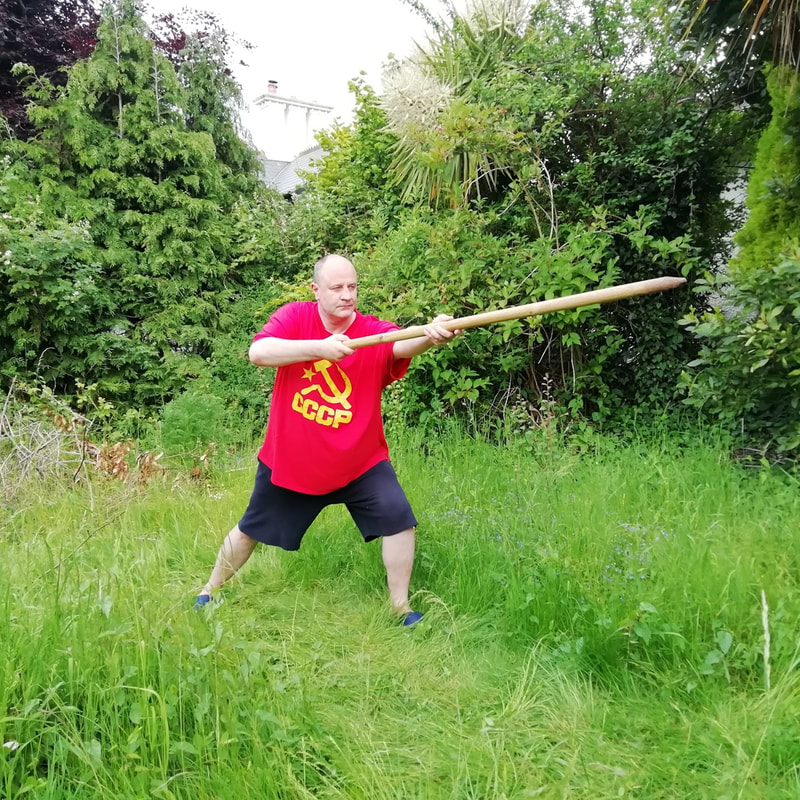
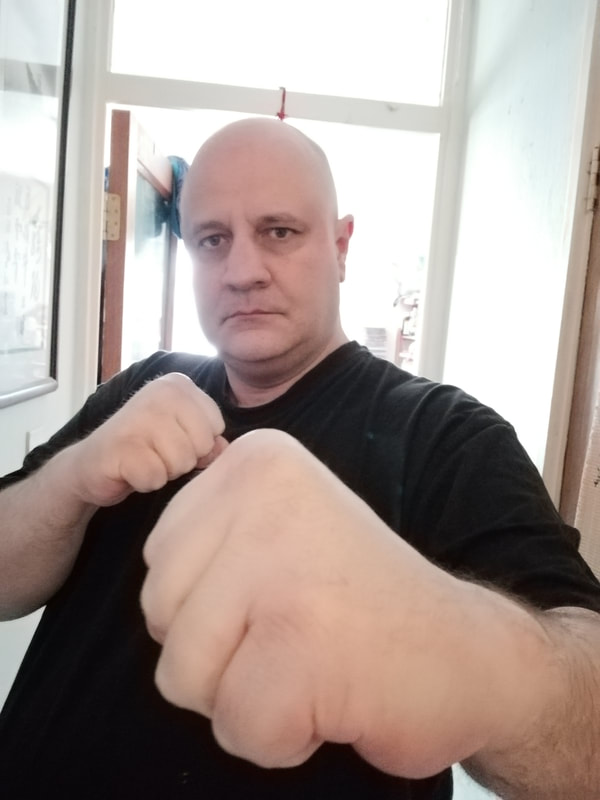
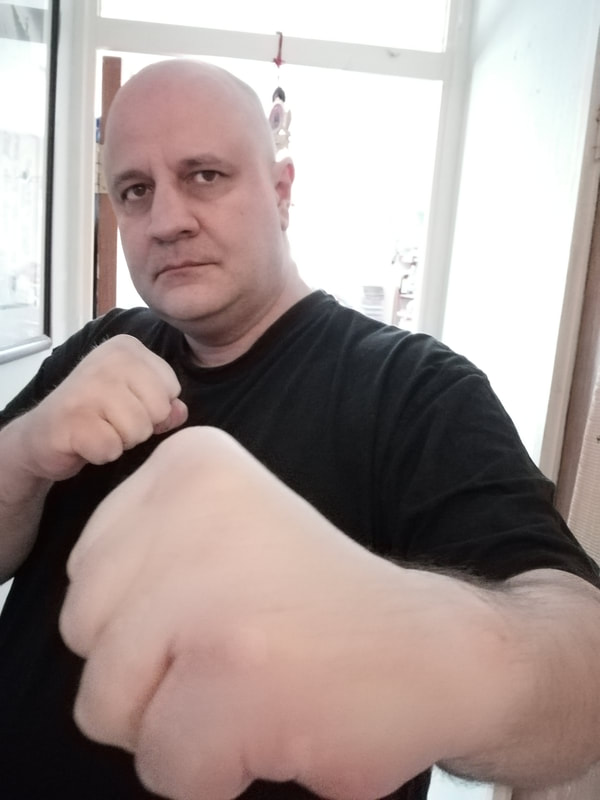
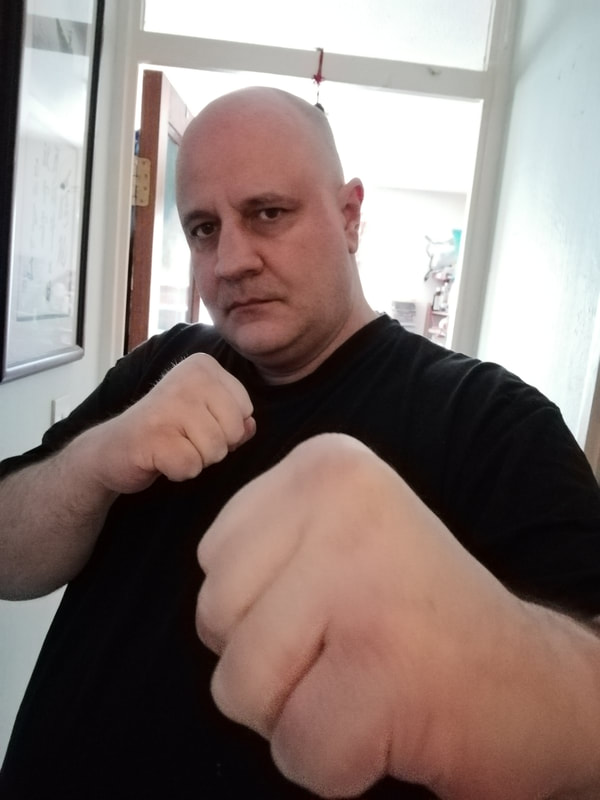
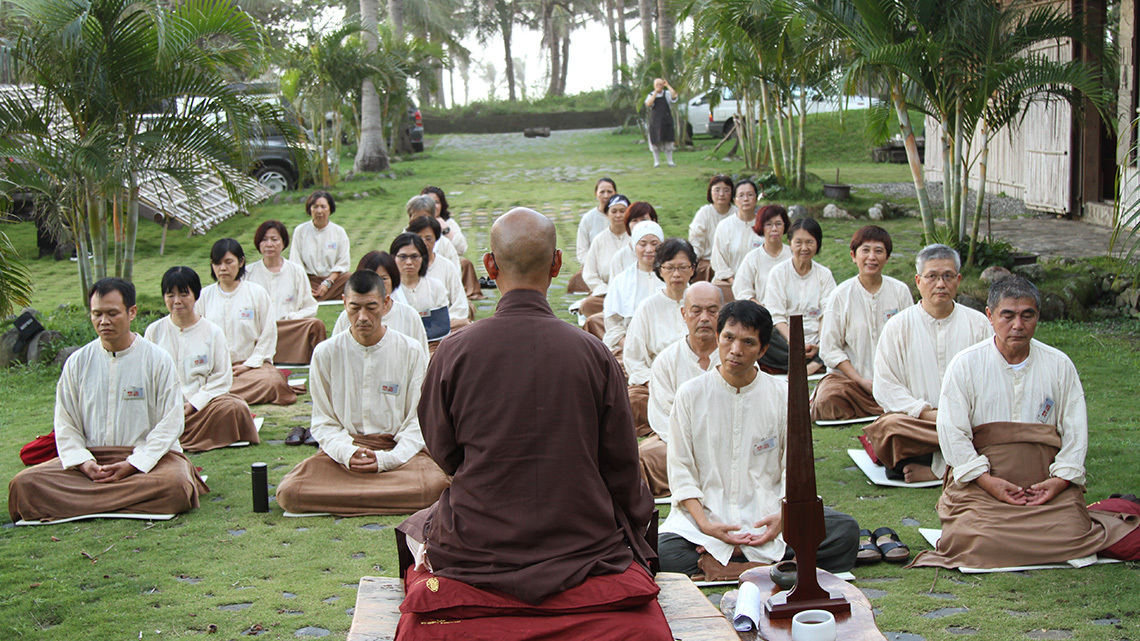
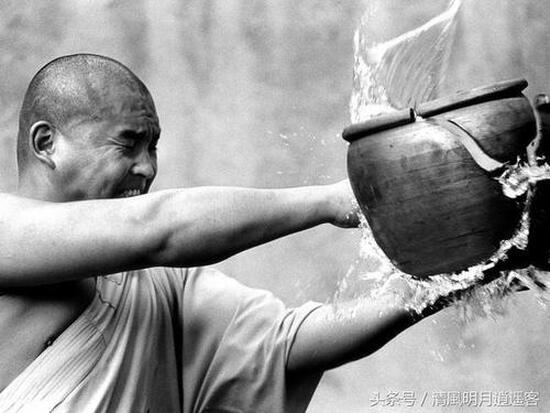
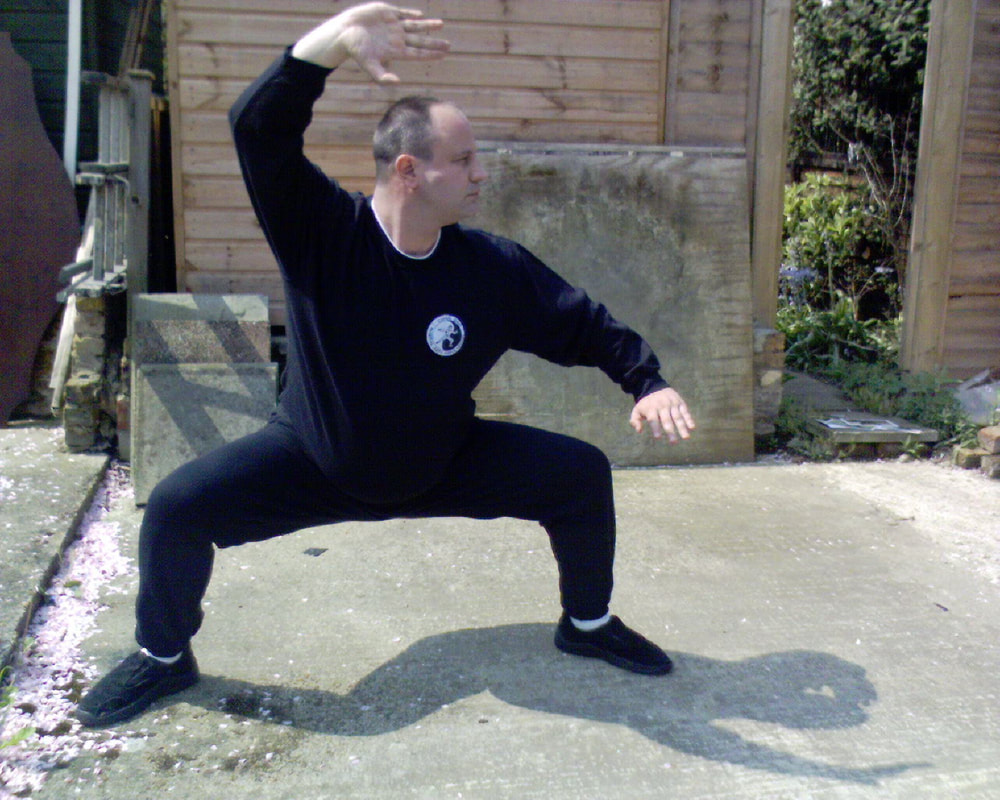
Everything that needs to be said can be seen in this photograph. Those who are suitably 'aware' and who have developed genuine self-respect - will treat others with respect and understand the true 'essence' of Hakka Gongfu! We train in old warring arts that would not work on the modern battlefield simply because they are out of date. Great martial skill could be wiped-out in a second even by a stray bullet! We train to uproot greed, hatred and delusion, so that warfare does not arise a) in the mind, and b) in the environment. This means we train to create, establish and maintain genuine peace in the world! Chinese culture evolved out of the requirement to 'fight' on the one hand (in 'self-defence') and develop the personality to the highest psychological, emotional and spiritual level possible. This is why Confucianism and Daoism include warriorhood within spirituality. Technically speaking, Buddha advises that ALL violence be given-up but the reality of the matter is that if certain groups of Buddhist monks and nuns had not 'defended' their temples from external attack - their temples (and very probably 'Buddhism' as a whole) would have been wiped-out in China! This is not to say that violence is 'right' or 'preferred' - but rather an acknowledge that Chinese society (and most societies in the world) need to evolve to a higher level of reality so that violence can nolonger exist or flourish!
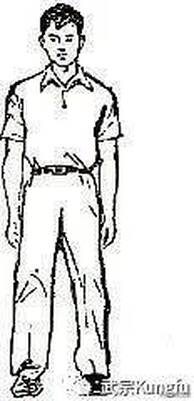
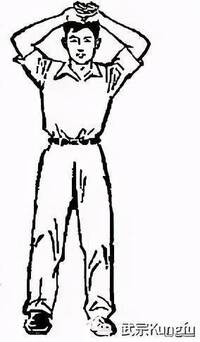
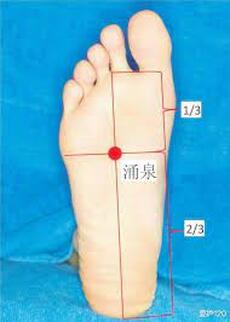
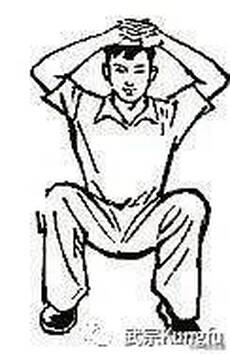
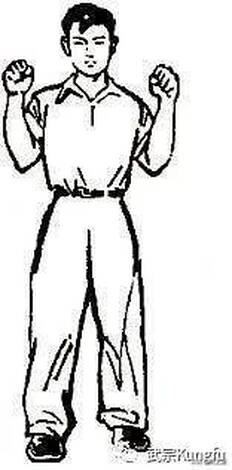
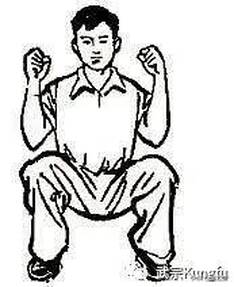
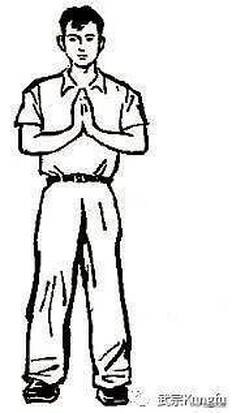
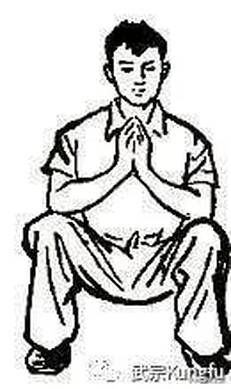
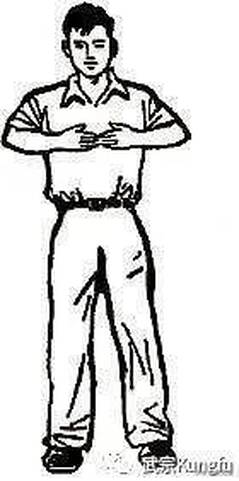
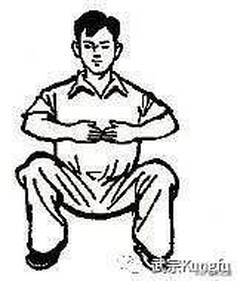
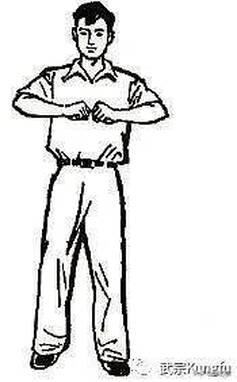
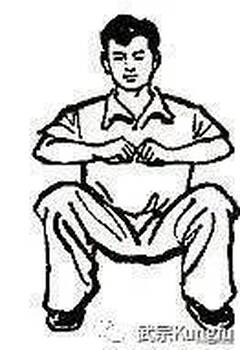
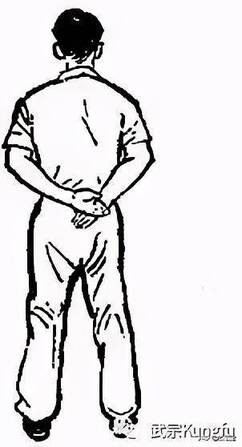
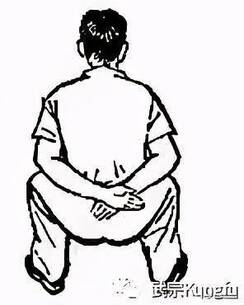
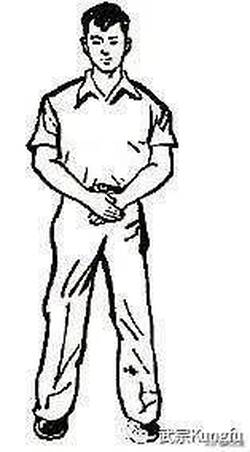
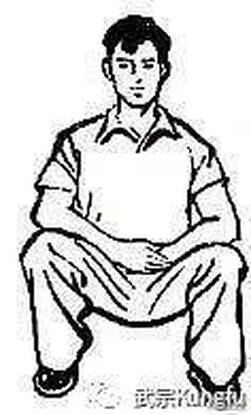
Shaolin ‘Luohan’ Neigong – Deep Squatting – An Introduction to the 'Arahant Seven Postures'!7/7/2021 Every genuine martial arts style from North China is quite often linked to the Shaolin Temple of Henan – or contains techniques that are associated with temple’s gongfu training. The Chinese term ‘罗汉’ (Luo Han) refers to the Indian Pali term ‘Arahant’ - and in this instance includes the so-called ‘Arahant Fist’ (罗汉拳 - Luo Han Quan) - an ‘enlightened’ martial art which Bodhidharma brought from South India to China around 520 CE. An ‘Arahant’ is a man or woman who has achieved enlightened within the Early School of Buddhism – represented by the Theravada School today (and its Pali Cannon). This article presents exercises that are often linked to ‘squat-kicking’ in various styles – or exercises used to a) build the external (physical) structures and strength of the entire leg area, and b) develop the ‘internal’ awareness of how energy and bodyweight manoeuvre through the centre of the bone marrow. Quite often the exercises remain the same or are only slightly altered to build the foundation for the next stage of training. Below is the ‘Arahant’ exercises for building ‘internal’ strength, power and endurance through the entire bone-structure of each leg. As the ‘circular’ structure of the joints and bones are incorporated – the ‘iron vest’ armouring of the legs is also developed. This develops the advanced internal ability to harmlessly absorb, reject or deflect any incoming power from a hostile blow. Lifting pose: Standing up naturally, with feet shoulder-width apart, arms relaxed and hanging, all ten fingers slightly bent, eyes level, and the whole body relaxed. Get rid of distracting thoughts, concentrate on the pubic area. Breathing should be natural, slow, deep, and even, with 7 breaths as appropriate, with blood flowing through the whole body. (figure 1) 1) Stand upright: hold both hands on the top of the head from the side of the body, cross your fingers with the back of your palms facing up, and inhale at the same time, then turn your palms toward the sky, do not touch the top of your head, slowly bend your knees and squat, and exhale at the same time; When squatting, the head and body are upright, do not lean forward, bend the knees as far as possible not to exceed the toes, intend to guard the Yongquan (涌泉) point, then slowly stand up, and inhale at the same time, squat 7 times, so the blood flows through the whole body. (Picture 2~3) 2) Sunrise Over Eastern Mountain: Make a fist with both hands, flexing the elbows and raising them on both sides of your shoulders. Still in the squat rises slowly, with breathing, 7 times is appropriate, the rest of the requirements are the same as above. (Picture 4~5) 3) Worshipping Buddha in Ten Directions: Put your hands together in front of your chest, palms together, and do the same squat slowly and rise 7 times. Breathing is the same as other requirements. (Picture 6~7) 4. Embrace the moon with your arms: hold your arms in a round shape, with your fingers facing each other, palms facing inward, and do squatting and rising slowly for 7 times. (Picture 8-9) 5) Two Dragons 'Spit-Out' Pearls: Make a fist with both hands, elbows with both arms flat in front of the chest, in balance, with fists facing down, still slowly squatting and raising 7 times, and the rest are the same as above. (Picture 10-11) 6) Swallow Yin - Build Yang: Fold your hands behind your waist with your palms facing outwards. Do the same slow squat and rise 7 times. The rest of the requirements are the same as above. (Picture 12~13) 7) Ten Thousand Dharmas Return to a Single Source: Fold your palms on top of each other, palms facing inward, place your the hands on the lower abdomen and down into the expand the attention into the pubic area. Squat up 7 times with slow breathing to keep your pubic field. It also requires that the head be straight and the knees bend but toes. (Pictures 14-15) Closing style: The method and essentials are the same as the starting style. Key points of Arahant Seven-Postures: When squatting up, do not bend your knees forward over your toes, let alone bend your head down, keep your eyes straight, keep your body centered, and keep your spine as straight as possible.
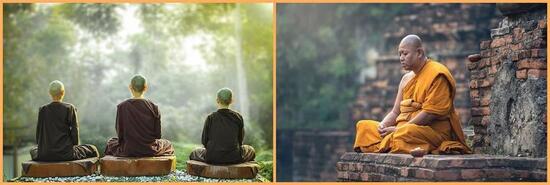
Chinese Language Article: https://www.sohu.com/a/437154323_120870111 The point is to bring an end to all greed, hatred and delusion in the mind, body and environment. Although this a distinctly ‘Buddhist’ solution to the ills of life – generally speaking, it is also the solution of most ‘secular’ models of reality! An individual can choose their path and express their development in any way they wish or see fit – but in the end a definite ‘purification’ process is experienced which changes the inner and outer being forever! Inner peace is expressed through a deadly martial technique that is NEVER personal but always ‘indifferent’ and in a state of continuous ‘healing’ of humanity, the world and everything in it! Although wild animals can be extremely dangerous in their natural habitats – nevertheless it is important not to produce thoughts of ‘anger’ or ‘violence’ when taking suitable action to ‘avoid’ the danger. This is using wisdom. Sometimes, even wild animals can be seen responding to ‘kindness’ in a manner that is considered very unusual! Even domestic pets can be difficult – but this is all the more reason to maintain a sense of inner and outer peace. Human-beings, by way of contrast, are often far more dangerous with their habitual anger and potential violent outbursts! Traditional gongfu training prepares human-beings for the maelstrom of combat in the outer world – whilst maintaining a calm inner terrain that remains ‘unruffled’ regardless of circumstance. Life can be hard, but it can also be beautiful, truthful and full of justice! The point is to always be ready to build upon the foundation of ‘peace’ and make the world a better place for everyone to live! The physical techniques of the martial arts exist to empower an individual to protect their bodies, their community and their nation. The inner path is universal and transcends these narrow categories of potential violence! If combat happens, then the qualified Shifu must fight to prevail and never lose any encounters! However, this ‘victory’ should never be allowed to happen through ‘anger’ as this is ‘low’, ‘corrupt’ and ‘despicable’! As a situation can change in an instant, a martial artist must always be prepared to ‘adjust themselves to circumstance’ and never let a prejudiced view of reality take over the ‘flow’ of combat and conflict resolution. On the other hand, when combat must be successfully engaged within, then the sheer ‘weight’ of the cultivated ‘inner peace’ must quite literally ‘crush’ the violence that exists in the mind and body of the opponent! Peace must prevail over all.
Advanced martial arts practice is ethereal even though it involves the movement of the body. In fact, moving the body is basic gongfu training, a mastery of which should be gained in one’s youth if possible. When the body ‘ages’ - a practitioner does not want the problem of mastering martial technique whilst coming to terms with how ‘ageing’ changes the mind and body. Knowing how to stand, fall, get-up, moving, kick, punch, block and evade, etc, are foundational issues that must be thoroughly absorbed into the deepest levels of the mind and body well before middle-age is reached. Of course, this is not always the case, as some people take-up the practice of traditional Chinese martial arts late in life – but with regards the more robust and rugged ‘external’ techniques – youthful practice is preferred. This is why many older people (with no previous experience) start their martial arts training through one of the ‘internal’ arts – which are a product of an ‘advanced’ and ‘mature’ mind-set. On the other hand, if an individual is able to build 20-30 years of training prior to hitting 40-50 years of age – then the bones, joints, muscles, ligaments, tendons and inner organs have all had time to experience a ‘hardening’ process over-time - and are far more ‘robust’ whilst the individual traverses into older age. Probably the greater reason for early martial arts practice is that the ability to produce massive (internal and external) impact power (with minimum) effort must be mastered before the body transitions into older age. This observation does not mean that older people cannot achieve this ability later in their life – but to already possess this devastating power is one less burden – particularly as we may also have far more responsibilities as mature people than the average young person. However, with the right type of instruction from a genuine Master, anyone of any age can ‘master’ gongfu regardless of circumstances. Motivation is the key to it all. The mind must be ‘still’ and ‘expansive’. Its psychic fabric must be simultaneously ‘empty’ and yet ‘envelop’ all things without exception! Although there is much experimentation in the West with the physical techniques of the many (and varied) gongfu styles – very few practitioners are interested in the spiritual or higher psychological aspects of traditional Chinese martial arts. This is because gongfu has been taught the wrong way around in the West to suit the cultural bias of the fee-paying audience. Whereas in China kicking is learned before punching – in the West punching is taught before kicking (because of the influence of Western Boxing). Whereas in China a gongfu practitioner learns to stand still and to stand ‘solid’ whilst defending the ten directions – in the West students are taught to move around before being taught how to ‘stand still’ (this is because Western students do not understand the important of achieving inner and outer ‘stillness’). Whereas in China gongfu student learn to ‘relax’ before assuming postures – in the West students are taught to ‘stretch’ using yoga-like techniques (mostly unknown in China). Whereas students in China learn to ‘strike’ various wooden objects to condition the bones of the hands and feet – in the West, students are encouraged to hit ‘soft’ pads that give a false impression of what it is like to hit a ‘real’ body! In the West, the mind is ‘entertained’ as a means to secure continued fee-paying through class attendance – whilst in China the Master continuously looks for new ways of ‘testing’ the virtue of the student and for any reason to ‘expel’ them from the training hall! All this ‘inversion’ must be remedied if the highest levels of spiritual and physical mastery are to be achieved. This has nothing to do with rolling around on a padded floor wearing padded-gloves – and everything to do with ‘looking within’ to refine the flow of internal energy. The awareness of the mind must permeate every cell of the physical body whilst the practitioner sits correctly in the meditation posture. What else is there? When advanced practitioners ascend to a certain age of maturity, reality has nothing to do with the ego pursuit of ‘winning’ or ‘losing’ in petty disputes that ultimately mean nothing. Most of the combat sports of the moment are fleeting and exist merely to make money – and they are ineffective on the modern battlefield and not practiced by the military! The final lesson is to ‘leave the body’ with the minimum of fuss when the time presents itself. In a very real sense, a genuine Master of martial arts has ‘already’ transcended the boundaries of material limitation whilst still living. This sense of ‘completion’ and ‘transcendence’ is what draws the already perceptive into his or her presence to receive instruction...
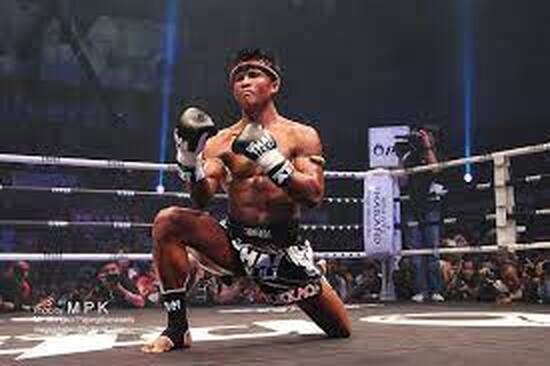
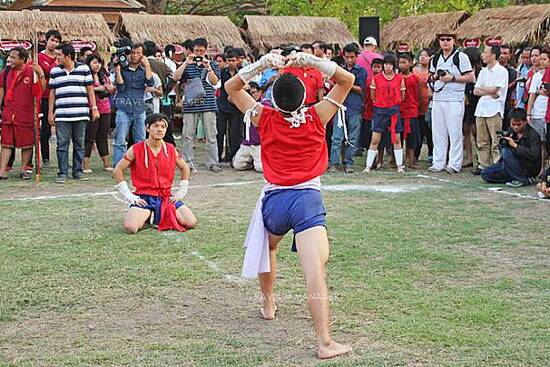
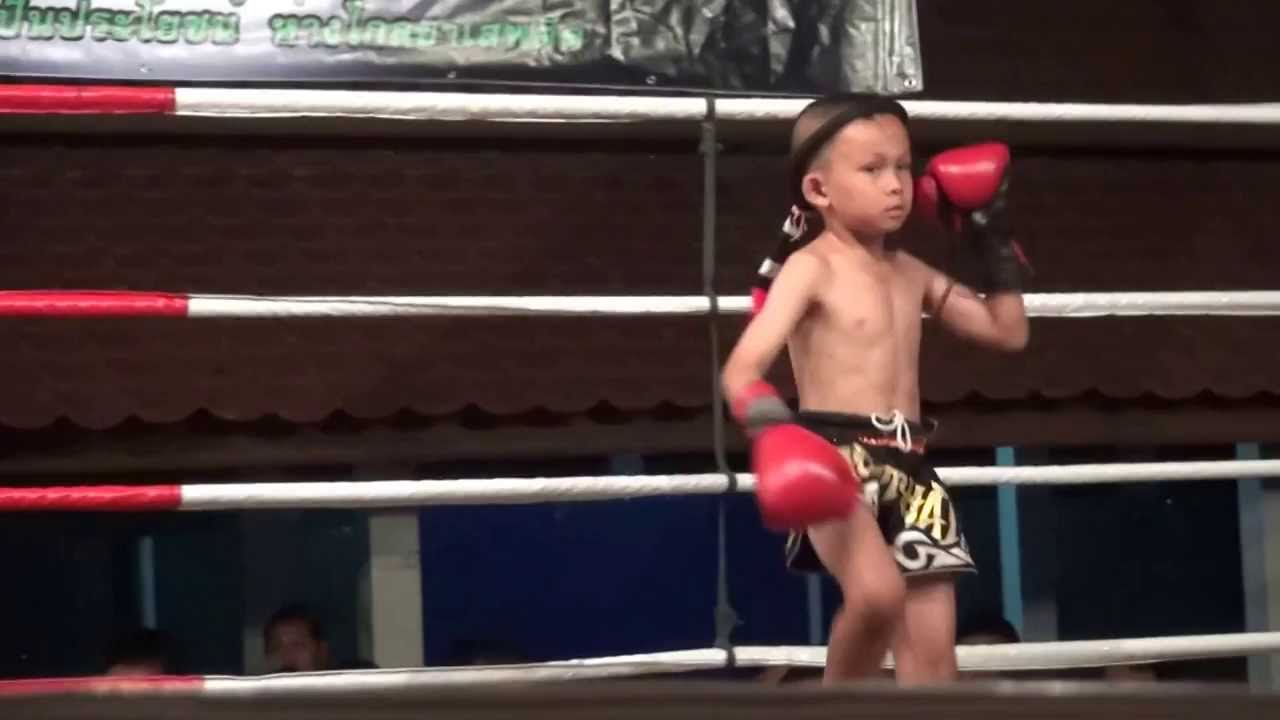
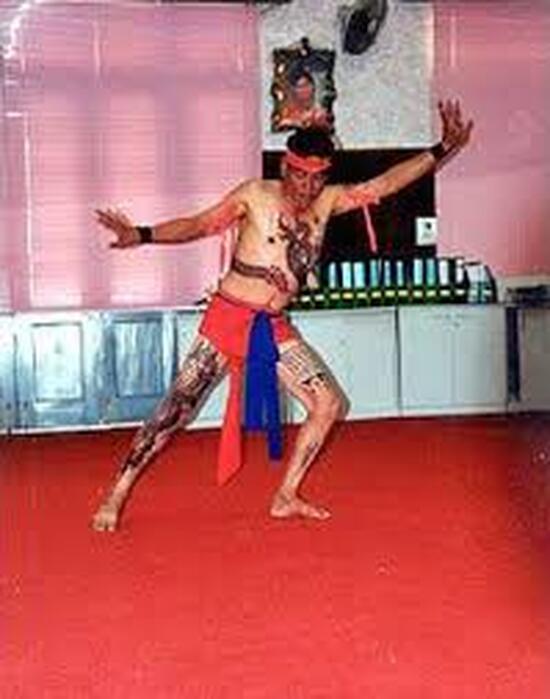
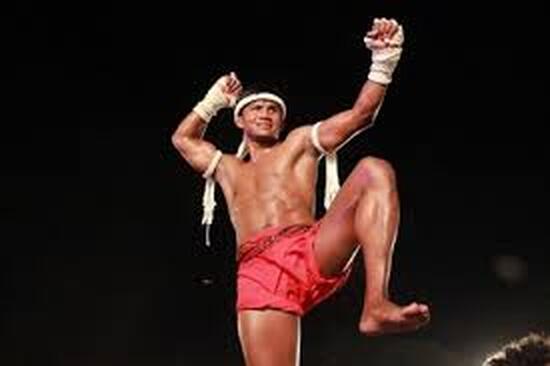
I was recently asked (by a prominent [British] Muay Thai practitioner) to write a short text about the cultural differences between ‘Western’ Thai Boxers when compared with ethnic ‘Thai’ Muay Thai counter-parts. He was particularly interested in the different cultural patterns of ‘effort’ that are in effect in the Thai Boxing ring in Thailand. He explained to me that he knows full well that many dedicated and very respectful Westerners travel to Thailand to compete in ethnic Thai Boxing competitions (not ‘adjusted’ to the sensitivities of the international community) - and as soon as they step-off the aeroplane suffer the beginnings of a psychological collapse and the development of tremendous feelings of doubt! Furthermore, despite bravery and stoicism – as soon as the ‘smiling’ Muay Thai Warriors the ring and being the traditional ‘Ram Muay Wai Kru’ - an ancient ritual of respect that praise the Hindu God – Rama – as well as the Buddha, Dharma and Sangha – a very strong sense of ‘alienation’ manifests. This sense of ‘cultural’ distinction is made even more pronounced as the Thai practitioner also ‘praises’ his or her family ancestors, parents, teachers and fellow students, etc. Perhaps this is one of its main purposes. This ‘dance’ is in fact a ‘secret’ martial art that only true Muay Thai Masters know how to interpret and use in combat. Muay Thai Masters have told me that it is a Thai manifestation of ‘internal’ martial art similar to the Taijiquan of China – which is often performed nowadays to ‘music’ as is the ‘Ram Muay’ (this is the shortened title my ethnic Thai friends us who live in the Warwick area of the UK). I have had the privilege to train in the UK with students of Master Sken and Master Toddy over the years – despite never meeting these two experts in person. When some of these practitioners have passed through Sutton (South London) - they have come into our gongfu training hall on Sunday mornings and we have worked together. They have always been respectful, tough and very dedicated. Other than this contact with Muay Thai, my family frequent the Buddhapadipa Temple in Wimbledon, and on occasion, the Forest Hermitage (Wat Santidhamma) in Warwickshire – both of which serve the British ethnic Thai population and the Theravada Buddhism they practice. Years ago, when I lived in Hereford, I sparred full-on with ethnic Thai visitors and I was impressed with their ‘relaxed’ attitude and ‘fierce’ manifestation when fighting! I was inspired by how they live and breathe Buddhism first and foremost – and throw punches and kicks only after they have learned the Buddha’s Teaching fully! This is why I often seek-out special Theravada Bhikkhus living in the Buddhist temples in the UK. Unlike in the Thai villages and forests – this is not a common occurrence in the UK – but occasionally I get lucky! I have also discovered that the Head Monks are often reticent to discuss this issue in the temple due to many Westerners developing the wrong attitude about Buddhism and Muay Thai. The way this works is that if the Head Monk wanted Westerners to learn Muay Thai – he would make its presence known and organise access. When I have discovered Muay Thai practice in the Buddhist temples – it has always been by mistake. This has also included incidents of special ‘tattooing’ sessions – whereby ‘sacred’ images and spiritually empowered mantras are ‘tapped’ into the skin – using a pointed-bone and coloured ink... These marks are considered ‘sacred’ and ‘divine’ as they grant the carrier with special spiritual powers. Interestingly, when I asked the Head Monk about how a person should begin their practice of Muay Thai? He answered that I should read the Pali Suttas about ‘correct breathing’, and about ‘stilling the mind’ - whilst living in an isolated meditation hut for at least three-years. Without this foundation of ‘Dhamma’ - I was told – I cannot practice ‘genuine’ Muay Thai.
|
AuthorShifu Adrian Chan-Wyles (b. 1967) - Lineage (Generational) Inheritor of the Ch'an Dao Hakka Gongfu System. |
RSS Feed